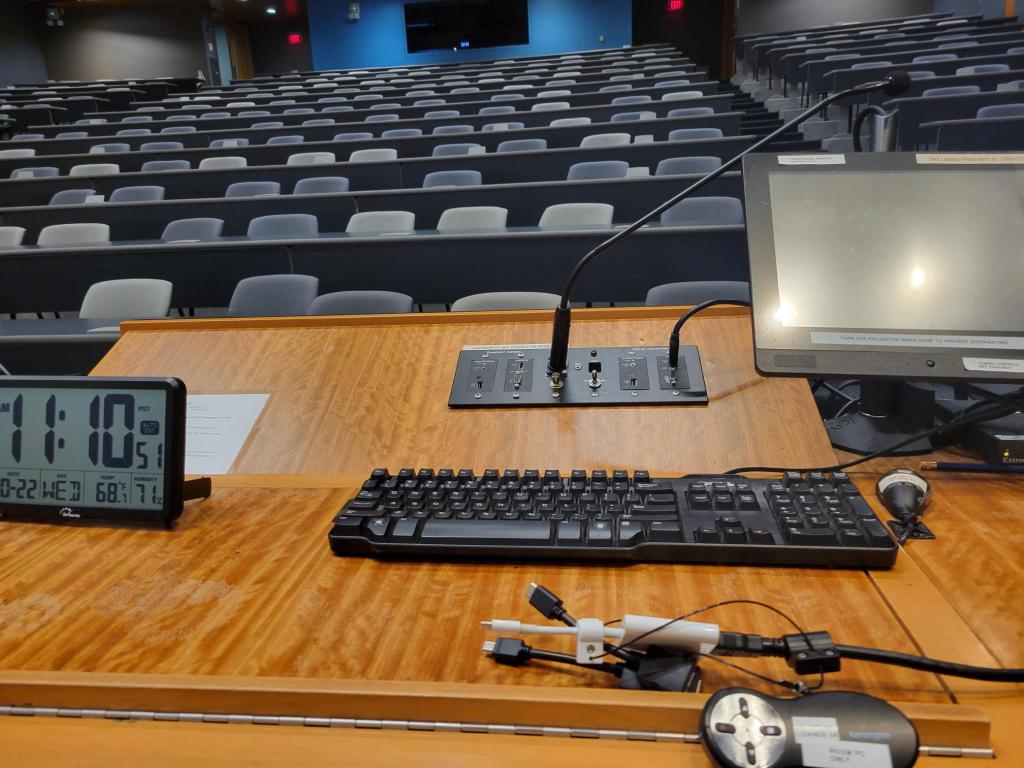
(For presentation instructions please scroll down)
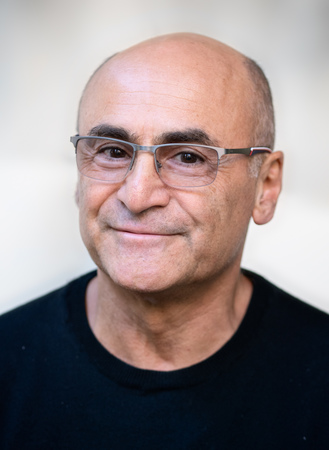
Ruben Abagyan, Ph.D.
Ruben Abagyan is Professor at the UCSD Skaggs School of Pharmacy, and MolSoft founder. At EMBL in Heidelberg he developed a mathematical framework for protein folding, flexible ligand docking. In 1994 he moved to New York University, Skirball Institute of Biomolecular Medicine and Courant Institute of Mathematics and became a tenured Associate Professor of Biochemistry and Mathematics. He moved to San Diego as a Director at the Novartis Institute, and a Professor at the Scripps Research Institute. He received several research awards including Princess Diana award and medal in Australia in 2003 for structure-based ligand discovery and docking screen, before joining UCSD. He works on the Pocketome, and 3D/AI/ML models for predictive multi-target pharmacology, and their application of fast docking screens of ultra-large chemical spaces for modulators of new drug targets.
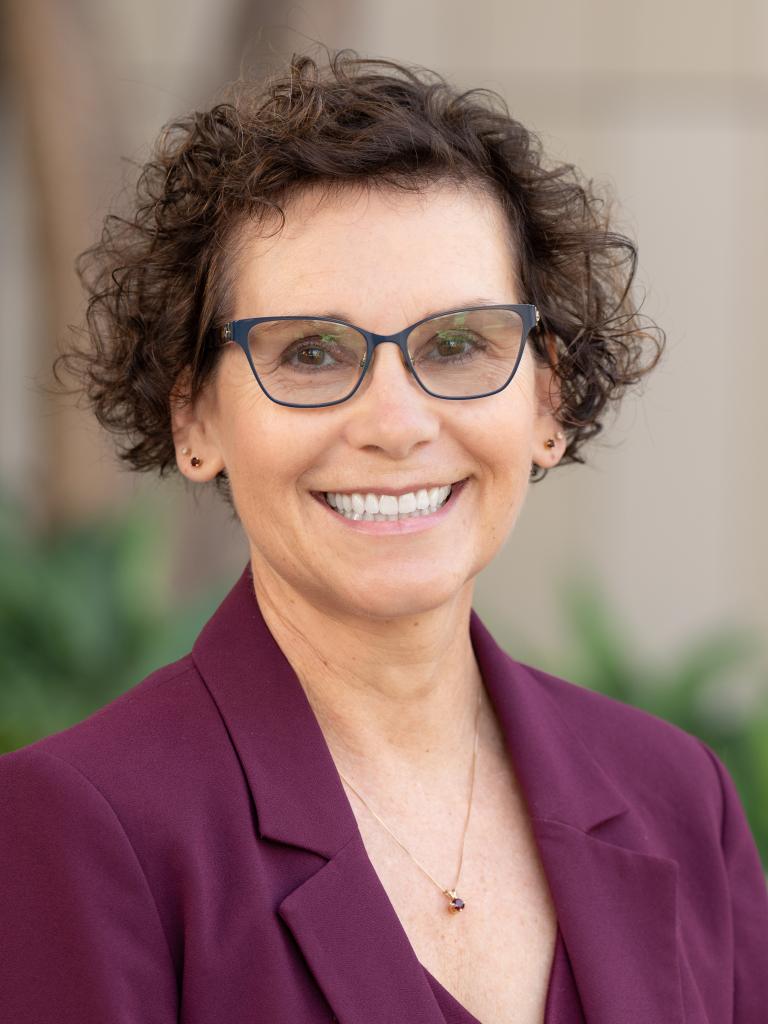
Brookie Best, Pharm.D.
University of California San Diego
Dean for Skaggs School of Pharmacy and Pharmaceutical Sciences
Brookie Best, Pharm.D., M.A.S., is the dean of UC San Diego's Skaggs School of Pharmacy and Pharmaceutical Sciences and a professor of clinical pharmacy and pediatrics. She's a renowned expert in perinatal and pediatric clinical pharmacology, focusing on medication use during pregnancy, lactation, and childhood. Best's work has led to national guideline changes for antiretroviral use in HIV-positive individuals. As an educator, she's passionate about training pharmacy leaders, mentoring over 130 students, and has received numerous awards for teaching, including Professor of the Year and UC San Diego's Distinguished Teaching Award.
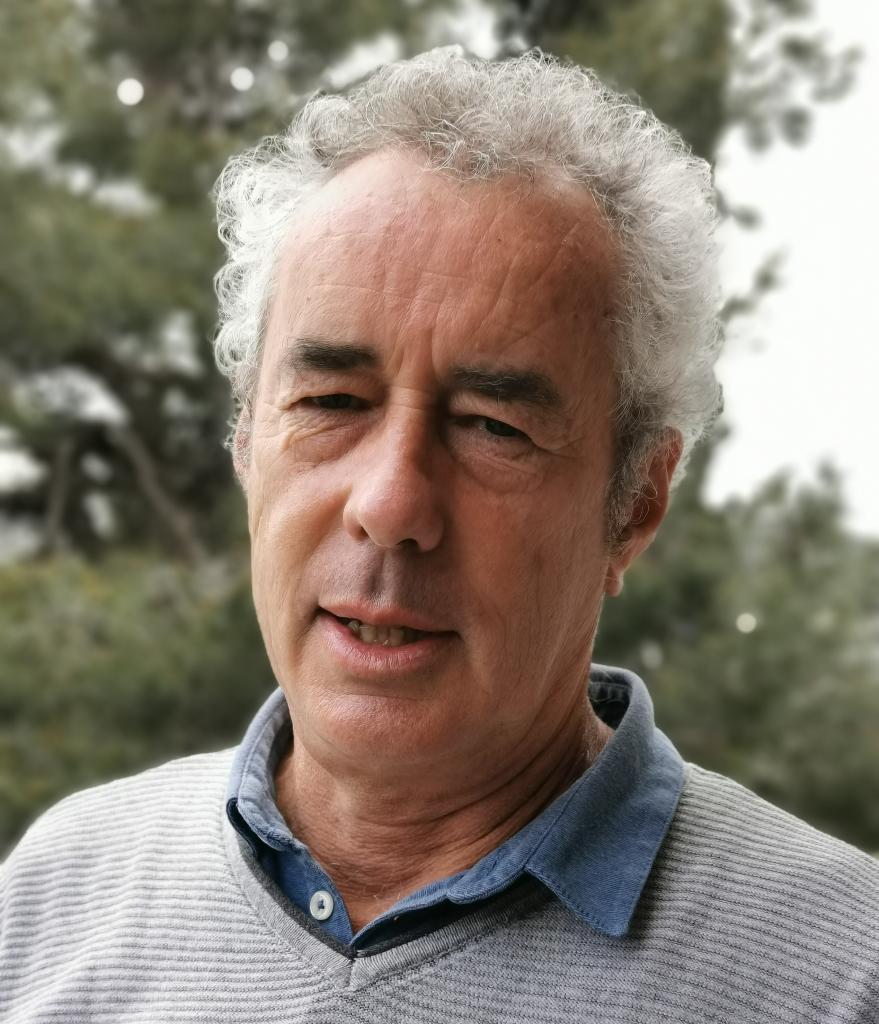
Yves Bourne, Ph.D.
Yves Bourne earned his Ph.D. in Structural biology in 1990, and after a short postdoc in Marseille he obtained a junior researcher position at the CNRS (1991). He joined the John Tainer lab at TSRI La Jolla for a 2-year sabbatical (1994-1995), where he developed structural projects on cell cycle regulatory proteins, along with a collaboration with Palmer Taylor and Pascale Marchot at UCSD. Back to the AFMB lab in Marseille (1996), he launched the “Structural Glycobiology" team (2003), and then continued to co-lead it as the “Structural Glycobiology and Neurobiology” team with Pascale Marchot (since 2012) (https://www.afmb.univ-mrs.fr/en/team/structural-glycobiology-and-neurobiology/). He is interested in elucidating the structure-function relationships of proteins or enzymes acting on glycans and of synaptic proteins, and of their complexes with protein or glycoprotein partners, using X-ray crystallography, electron microscopy and 3D modeling. More recently, as a continuation of a 1-yr adjunct director position he directed the AFMB lab (2008-2023). He is now back to full-time academic research duties.
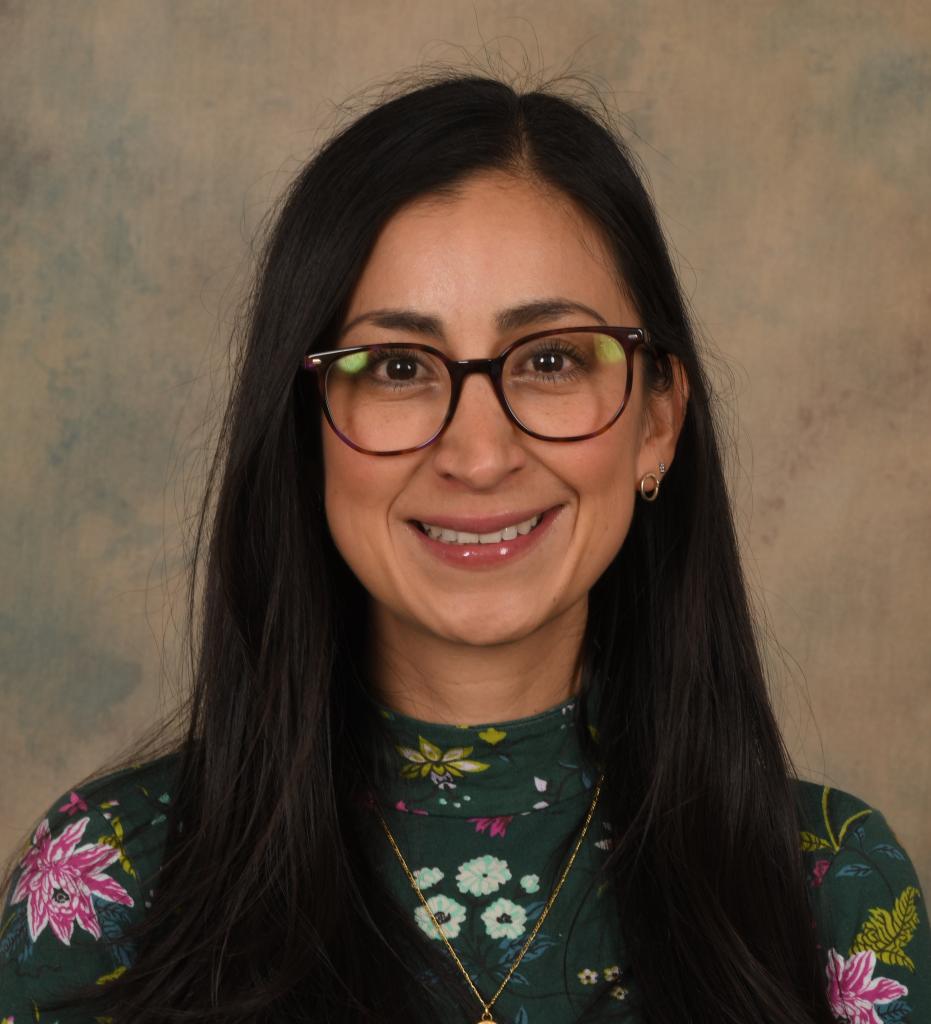
Gisela Camacho, Ph.D.
Gisela A. Camacho-Hernandez conducted her Ph.D. studies in Palmer Taylor lab as a visiting graduate student from the Autonomous University of Baja California from 2014 to 2018, during this time she developed novel non-canonical a7 nicotinic receptor selective agonists. Then she moved to the National Institute on Drug Abuse in 2019 to pursue postdoctoral studies in Amy H. Newman’s lab, where her work focused on the development of chemical probes targeting the monoamine transporters. Since 2024 she became an Assistant Professor at the Department of Pharmacology and Toxicology and a member of the Center for Addiction Sciences and Therapeutics at The University of Texas Medical Branch. Her research team is dedicated to developing and optimizing small molecules to probe transmembrane protein function with a particular focus on ligand-gated ion channels and transmembrane transporters.

Geoffrey Chang, Ph.D.
Dr. Geoffrey Chang received his B.A./M.S. and Ph.D. degrees from the University of Pennsylvania and completed postdoctoral training at the California Institute of Technology. He is currently a Professor at the Skaggs School of Pharmacy and Pharmaceutical Sciences and holds an appointment in the Department of Pharmacology at the UC San Diego School of Medicine. His laboratory applies structural biology to investigate membrane transporters and cytosolic proteins, and has pioneered the development of nanobodies and small-molecule biosensors. Using this in vitro platform, his group develops new reagents for diagnostics, therapeutic applications, and chemical biology discovery.
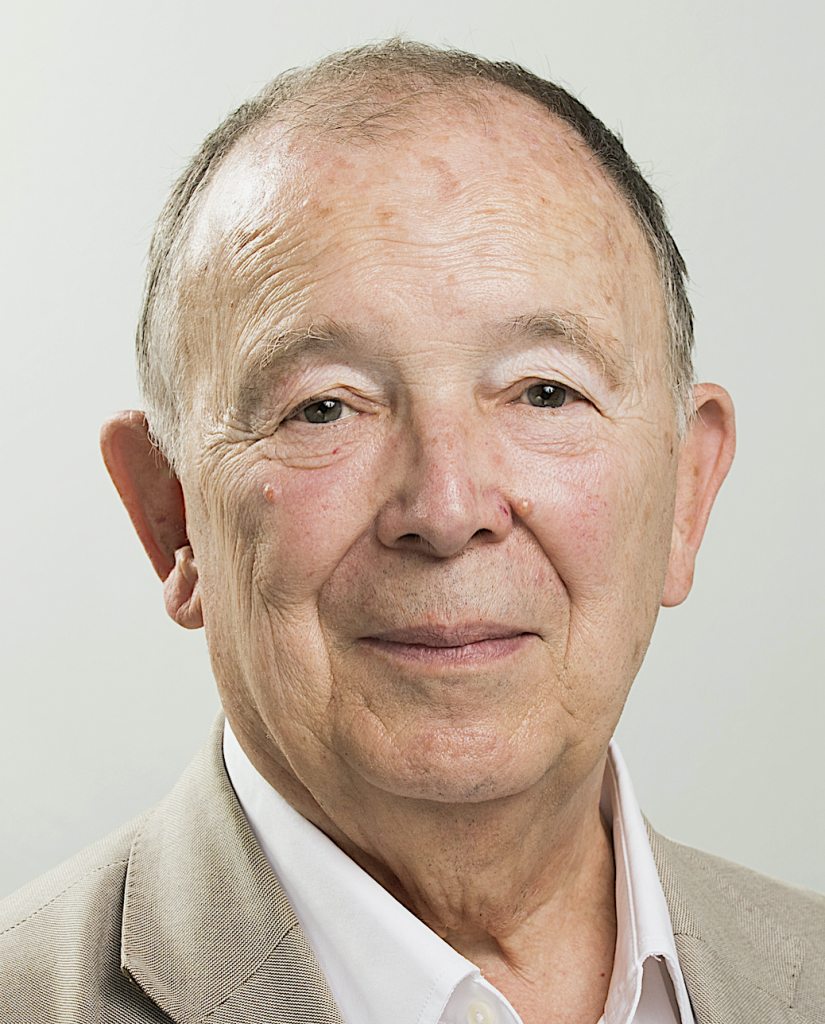
Jean-Pierre Changeux, Ph.D.
Jean-Pierre Changeux's PhD studies led to the discovery that chemical signals regulate the biological activity of proteins by acting at "allosteric" sites distinct from the biologically active sites via a conformational change (1961-1965). He then proposed (1964) that this type of regulation applies to receptor mechanisms engaged in the transmission of chemical signals in the nervous system and, through his life-time work, validated this insight. Moving to neuronal networks, Changeux, together with Courrège & Danchin (1973) formulated and experimentally tested the theory that long term epigenesis of neuronal networks occurs by the activity-dependant selective stabilization, and elimination, of developing synapses. Last, in particular with Dehaene, he proposed and tested models for defined cognitive tasks, in particular, a neuronal hypothesis for conscious access, implicating a "global neuronal workspace » composed of a brain-scale horizontal network of long axon neurons (1991-1998).Changeux has authored or co-authored several books notably, Neuronal Man: The Biology of The Mind in 1983/1985, Conversations on Mind Matter and Mathematics with the mathematician Alain Connes (1998), What Makes Us Think with the moral philosopher Paul Ricoeur (2002), Physiology of truth (2005),The Enchanted Neurons with the musical composers P.Boulez and P.Manoury (2019), The beauty and the splendor of truth interview by François L’Hyvonnet (2024). Jean-Pierre Changeux’s academic accolades include the Gairdner foundation award in 1978, the Wolf prize in 1983, the Louis Jeantet Prize for Medicine in 1993, the Balzan Prize in 2001, the National Academy of Sciences Award in Neurosciences USA in 2007, the Olav Thon international research award in biomedicine, Oslo, Norway, 2016, the Albert Einstein World Award of Science, Hong Kong, 2018, the Erasmus medal 2023. Clarivate citation laureate in Physiology and Medicine for 2021.
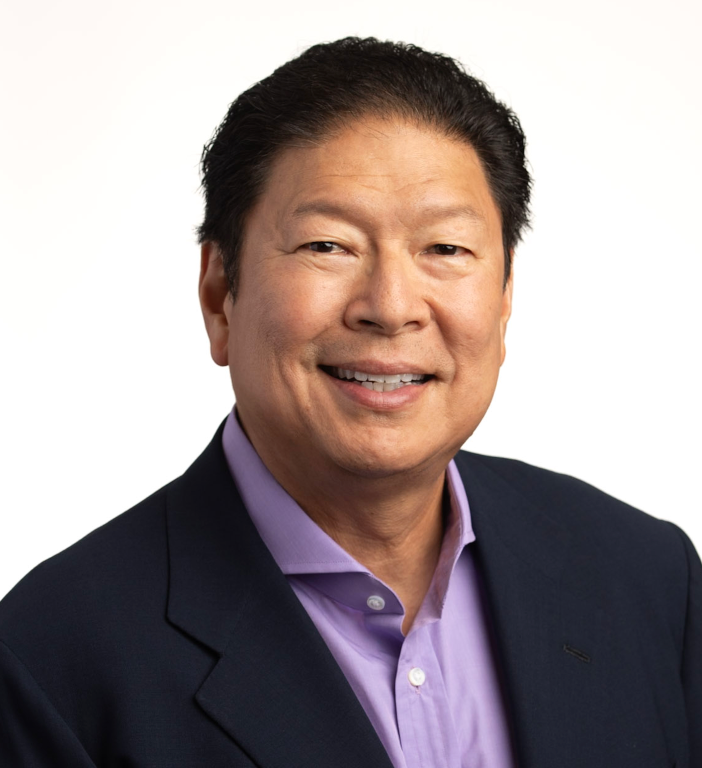
Jerold Chun, Ph.D.
Jerold Chun, MD, PhD studies the brain and develops therapeutics to treat its diseases. He began his career in Palmer’s Department and is currently Professor at Sanford Burnham Prebys Medical Discovery Institute and Distinguished Scholar at Neurocrine Biosciences in San Diego. His research identified the first and other lysophospholipid receptors from studies of the brain and aided in the development of 5 FDA-approved medicines targeting these receptors. In separate work, he defined somatic genomic mosaicism within the brain including reverse transcriptase-mediated somatic gene recombination in neurons. He has been recognized as a Thomson Reuters/Clarivate Highly Cited Researcher since 2014.
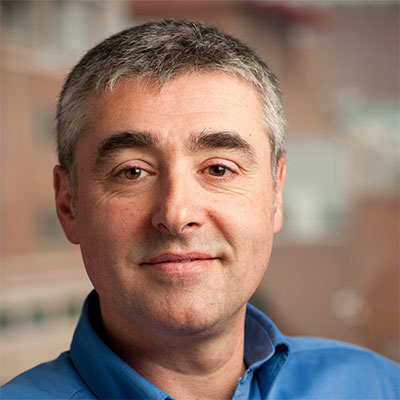
Davide Comoletti, Ph.D.
Davide Comoletti earned his DVM degree from the University of Milan (Milan, Italy) and his PhD degree from the "Mario Negri Institute for Pharmacological Research" (Milan, Italy) in 1998. He did his postdoctoral work at the University of California San Diego in the laboratory of Professor Palmer Taylor, from 1998 to 2011. He joined the Department of Neuroscience and Cell Biology at Rutgers Robert Wood Johnson Medical School in 2011. In 2018 he moved to Victoria University of Wellington (New Zealand) where he continues to study structural and functional aspects of how synaptic adhesion molecules interact to each-other and how they function in health and disease.
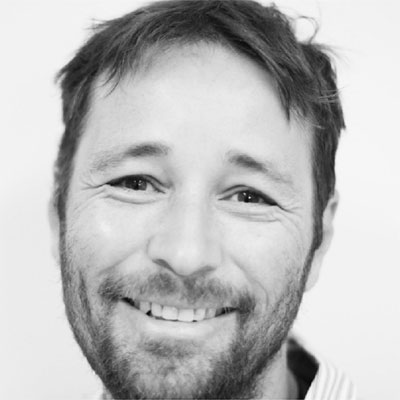
Pieter Dorrestein, Ph.D.
Dr. Dorrestein is Professor at the University of California - San Diego. He is the Director of the Collaborative Mass Spectrometry Innovation Center and a Co-Director, Institute for Metabolomics Medicine in the Skaggs School of Pharmacy & Pharmaceutical Sciences, and Department of Pharmacology. Since his arrival to UCSD in 2006, Dr. Dorrestein has been pioneering the development of mass spectrometry methods to study the chemical ecological crosstalk between population of organisms for agricultural, diagnostic and therapeutic applications.
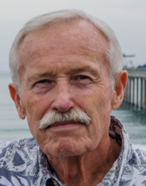
William Fenical, Ph.D.
William (Bill) Fenical is currently Distinguished Professor of Oceanography and Pharmaceutical Science and was the Founding Director of SIO’s Center for Marine Biotechnology and Biomedicine. Bill’s research interests have focused on the field of marine natural products chemistry, chemical ecology and drug discovery. Bill has received numerous awards, among them the Distinguished Alumni Award from the University of California, Riverside, the Paul Scheuer Award in Marine Natural Products Chemistry, the Silver Medal Award from the International Society of Chemical Ecology, the National Cancer Institute’s Merit Award, the American Chemical Society’s Ernest Guenther Award for the Study of Natural Products and the Lifetime Achievement Award from the American Society of Pharmacognosy.
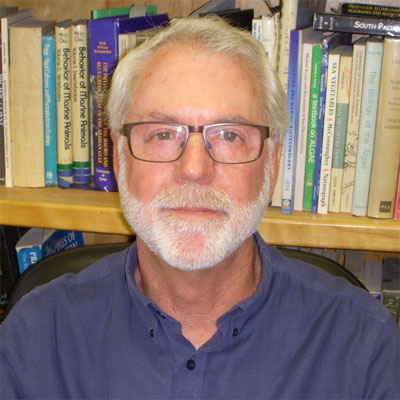
William Gerwick, Ph.D.
William Gerwick's research focuses on the natural products of marine algae and cyanobacteria, their application in medicine, and their biosynthesis using genomic approaches. After 21 years as Professor of Pharmacy at Oregon State University, he returned in 2005 to his PhD institution at Scripps-SSPPS/UCSD where he is Distinguished Professor of Oceanography and Pharmaceutical Sciences. He has served as president of the American Society of Pharmacognosy, chaired and co-chaired several major research conferences, and was associate editor of the Journal of Natural Products Chemistry. His research group has published over 650 papers and more than 25 patents.
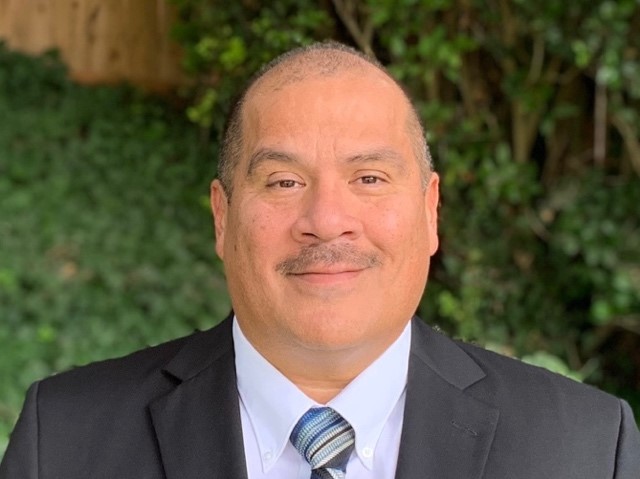
David Gonzalez, Ph.D.
David J. Gonzalez, PhD. Associate Professor of Pharmacology and Pharmacy, Founding Director of the Collaborative Proteomics Center at UCSD School of Medicine, and the Skaggs School of Pharmacy. Dr. Gonzalez leads a research team studying the complex interactions between host and microbe in human health and disease. He conducts discovery-driven research at the highest standards, utilizing mass spectrometry-based proteomics to identify molecular factors, such as proteins and post-translational modifications, that regulate biological functions, along with their mechanisms of action. The Gonzalez laboratory employs a systems-level approach, from broad to targeted analyses, to investigate bacterial pathogenesis, host responses to infection, and the human microbiome. Dr. Gonzalez has received awards from the Chan Zuckerberg Initiative, Ray Thomas Edwards Foundation, Janssen Immunology Award, DARPA, and various NIH institutes. His honors include recognition as a Rising Star in Chemical Biology, induction into the Yale Bouchet Honors Society, and inclusion in the Atlas of Inspiring Latino Scientists.
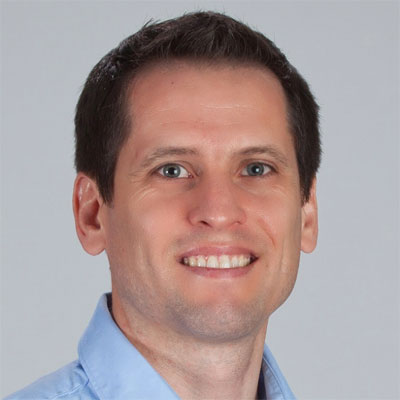
Scott B. Hansen, Ph.D.
Scott Hansen completed his PhD studies at the University of California, San Diego with Palmer Taylor from 2000 to 2006 and posdoctoral studies with Roderick Mackinnon at The Rockefeller University (2007 to 2012) and Loren Walensky at Harvard Medical school (2012). In 2012 Scott established his independent research lab at the Scripps Research Institute in the department of Molecular Medicine on the Florida campus. In 2024, Scott moved his research lab to the Chinese Institutes for Medical Research (CIMR) in Beijing, China as an Associate Investigator in the Institutes for Medical Physiology and Professor at Capital Medical University. Awards include the Martin D. Kamen Award (UCSD), The Director's New Innovator Award (NIH), and a Young Investigator Award (Eicosanoid Research Foundation) among others.
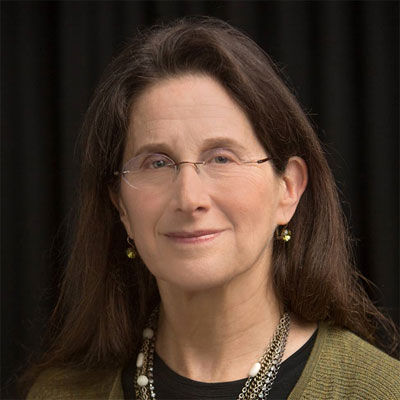
Joan Heller-Brown, Ph.D.
Dr. Joan Heller-Brown earned her B.A. degree at Cornell University and her Ph.D. in Pharmacology at the Albert Einstein College of Medicine. Following postdoctoral studies she moved to UCSD and has risen to the rank of Distinguished Professor and Chair of the Department of Pharmacology. Her honors include research awards and lectureships from the American Heart Association, Pharmaceutical Manufacturers Association, International Society for Heart Research, and AECOM. She has served on numerous editorial boards and as Editor of Molecular Pharmacology.
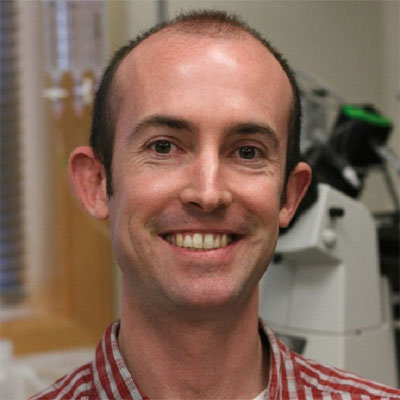
Ryan Hibbs, Ph.D.
Ryan studied Chemistry & Biochemistry at Whitman College, a small liberal arts college in Washington State, graduating in 2000. He did his PhD research at UCSD with Palmer Taylor 2001-2006, and his postdoctoral research with Eric Gouaux at the Vollum institute from 2007-2012. He started his independent lab in 2012 in the Departments of Neuroscience and Biophysics at UT Southwestern Medical School. He was promoted to Associate Professor in 2019. In 2023 he moved his research lab to UC San Diego, where is now Professor and Chair of Neurobiology and Professor of Pharmacology. Awards and honors include Klingenstein and McKnight Scholar awards, the UC San Diego Outstanding Alumnus Award, the Alton Ochsner Award Relating Smoking and Disease, and the Norman Hackerman Award in Chemical Research.
Vivian Hook, Ph.D.
Vivian Hook is Distinguished Professor at the Skaggs School of Pharmacy and Pharmaceutical Sciences and at the School of Medicine’s Departments of Pharmacology and Neurosciences at UC San Diego. Dr. Hook’s research seeks to understanding mechanisms of human neurological diseases for discovery of novel drug targets for therapeutics. Her work on Alzheimer’s disease (AD) and traumatic brain injury (TBI) has revealed protease mechanisms and novel peptidic inhibitors that regulate behavioral dysfunctions and neurodegeneration of AD and TBI. Synaptic deficits in human AD brain are illustrated by dysregulaton of peptide neurotransmitters, analyzed by peptidomics and proteomics. Human iPSC and iN neurons are utilized to model cellular mechansims of human brain diseases involving synaptic biomarkers for translation to the clinic to benefit human health. Research training in this area promotes the education of pharmacy, medical, and graduate students for their professional careers.
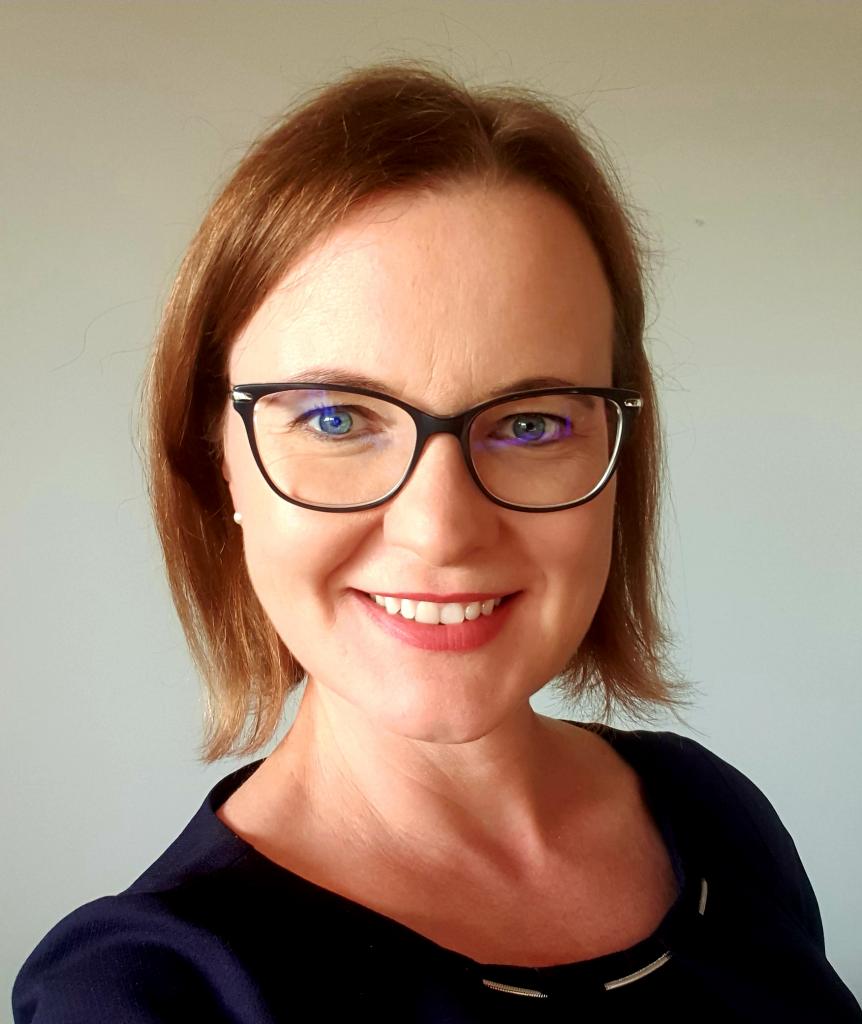
Katarzyna Kaczanowska, Ph.D.
Katarzyna Kaczanowska received her Ph.D. in Chemistry from Eberhard Karls Universität Tübingen, Germany, in 2010. In 2011 she moved to the United States to pursue postdoctoral research. At The Scripps Research Institute in San Diego, she worked with Prof. M.G. Finn on the design and synthesis of GABAB_BB ligands. In 2013 she joined the laboratory of Prof. Palmer Taylor at UC San Diego, where she studied the allosteric regulation of nicotinic receptors. After returning to Poland in 2015, she transitioned to industry. Since 2018 she has served as Head of Medicinal Chemistry at Captor Therapeutics, leading programs in targeted protein degradation.
Susumu Kawamoto, Ph.D.
Susumu Kawamoto is currently Professor Emeritus at Chiba University, Chiba (near Tokyo), Japan. He obtained his undergraduate degree and his Ph.D. degree in Biochemistry at Kyoto University (Kyoto, Japan). As a post-doctoral fellow, he joined the group of Dr. Alan G. Goodridge (Professor of Pharmacology and Biochemistry, Case Western Reserve University, Cleveland, Ohio) (February 1983 - June 1984). He became Assistant Professor at Yokohama City University (Yokohama, Japan), and then he joined Prof. Palmer Taylor’s group at the University of California-San Diego (UCSD) (December 1989 - August 1990). He moved to Chiba University and became full Professor. He has been studying on molecular function of glutamate receptor channels, and in separate work, he has been studying in the field of molecular medical microbiology.
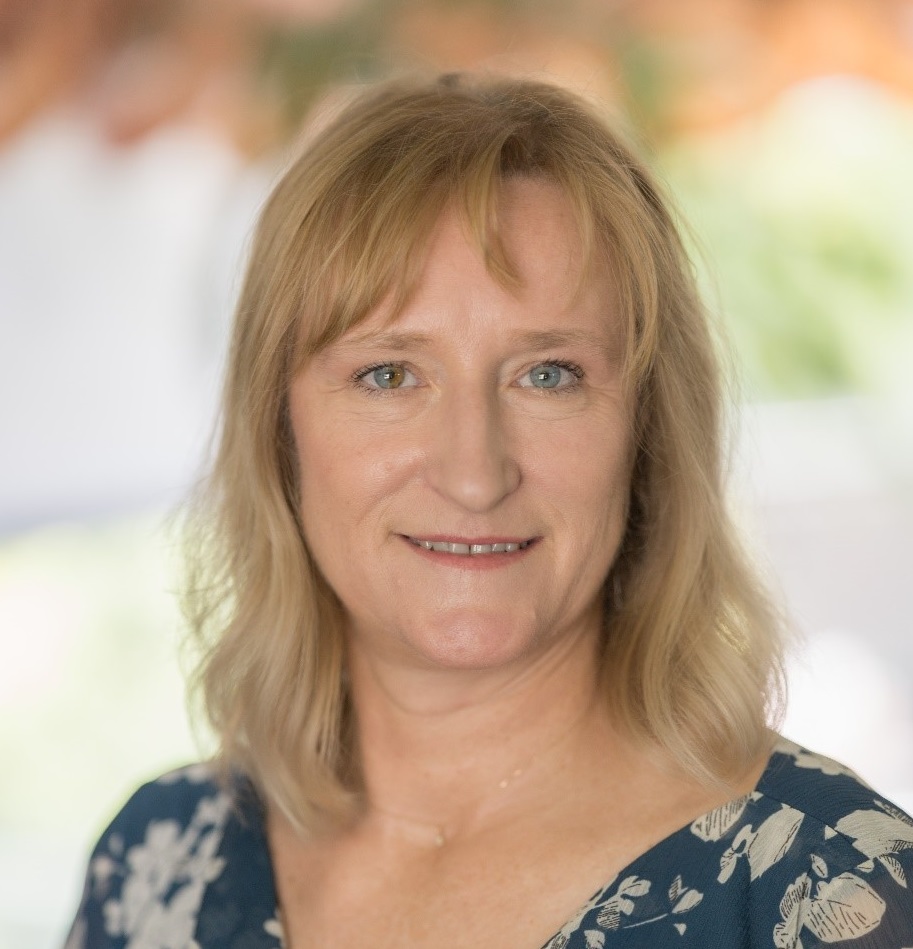
Zrinka Kovarik, Ph.D.
Zrinka Kovarik is a tenured adviser at the Institute for Medical Research and Occupational Health in Zagreb, Croatia. She honed her expertise in biochemistry and pharmacology during her training at the University of California, San Diego, working with world-renowned researcher Prof. Palmer Taylor. She is a member of the Executive Board of the Croatian Science Foundation, and FEBS Advanced Courses Committee. She serves as an associate editor for BioFactors, an IUBMB journal, and FEBS Open Bio. With more than 115 publications, her research explores modulation of neurotransmission in organophosphorus poisoning and the treatment of neurodegenerative diseases.
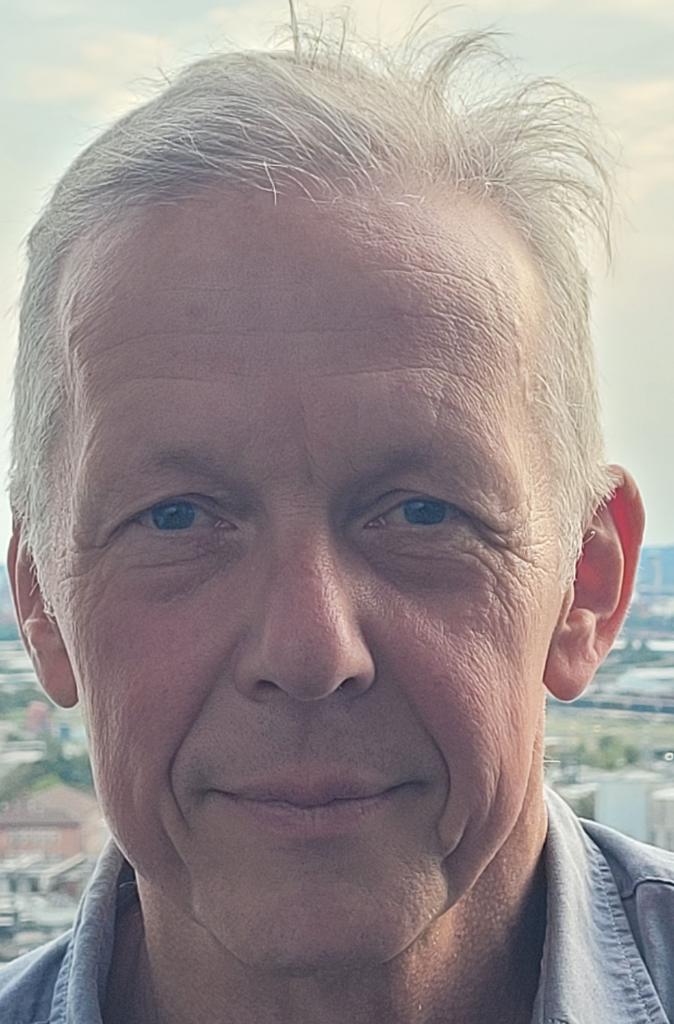
Hans-Jurgen Kreienkamp, Ph.D.
Hans-Jürgen Kreienkamp earned his PhD in 1992 in the group of Ferdinand Hucho (Free University of Berlin, Germany) for the identification of binding sites in Acetylcholinesterase (AChE) and the nicotinic Acetylcholine receptor (nAChR). As a postdoctoral fellow in Palmer Taylor’s lab from 1992-1994, he studied ACh and toxin binding sites at the interfaces between subunits of the nAChR. In 1994, he took a position as a group leader at the Institute for Cell Biochemistry at the University Medical Center Hamburg-Eppendorf in Hamburg, Germany. Here, he began to identify and analyze synaptic proteins of the central nervous system. In 2005, he moved his group to the Institute of Human Genetics, also in Hamburg, now with a focus on the genetic causes for neurodevelopmental disorders. Together with colleagues at the Institute, he identified several new disease genes for neurodevelopmental disorders. These include the DHX30-associated disorder, an LRRC7-associated syndrome, and Lessel-Kreienkamp syndrome, which is caused by variants in the Argonaute-2/AGO2 gene.
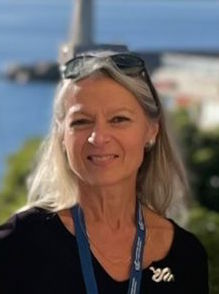
Pascale Marchot, Ph.D.
Pascale Marchot, a biochemist and toxinologist, earned her Ph.D. in Neurosciences in 1986, and after a postdoc in Marseille she obtained a junior researcher position at the CNRS (1988). She joined the Palmer Taylor lab at UCSD La Jolla for a 2-yrs sabbatical (1994-1995), where she developed mutagenesis and structural projects related to acetylcholinesterase in collaboration with Yves Bourne at TSRI. Back to Marseille, she launched the "ToxCiM" team and developed projects related to molecular toxinology, pharmacology and enzymology. In particular, she is interested in the function, recognition properties and structure of receptors, enzymes and adhesion molecules of biomedical interest, with particular curiosity for their specificity of ligand recognition and structural flexibility. This, with almost 3 decades of collaborative links with the P. Taylor lab, as exemplified by the International Associated Laboratory "SGIDSTS" which they coordinated (2013-2016). Since 2012 she has been working as a senior researcher and co-leader of team "Structural Glycobiology and Neurobiology" at the AFMB lab (https://www.afmb.univ-mrs.fr/en/team/structural-glycobiology-and-neurobiology/).
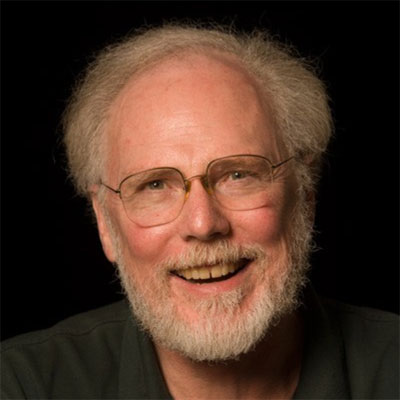
J. Andrew McCammon, Ph.D.
J. Andrew McCammon joined UCSD in 1995 as Distinguished Professor of Pharmacology and J.E. Mayer Chair Professor of Chemistry. In 1976, he conducted the first molecular dynamics simulation of a protein. In 1984, he showed how such simulations can be used to predict molecular recognition, now widely used in drug discovery. In the 1980's, he guided the establishment of computer-aided drug discovery in Agouron Pharmaceuticals (now Pfizer's La Jolla Laboratories), contributing to discovery of the HIV-1 protease inhibitor, nelfinavir. His subsequent studies of HIV-1 integrase flexibility aided discovery of raltegravir by Merck. He is a Fellow of the American Academy of Arts and Sciences and Member of the US National Academy of Sciences.

Tadeusz Molinski, Ph.D.
Ted Molinski holds appointments as professor at UC San Diego in the Department of Chemistry and Biochemistry, SSPPS, and SIO. His research interests span the chemistry of marine natural products, NMR, molecular pharmacology of Ca2+ channel modulators, stereochemistry, and organic synthesis of complex molecules. He is coauthor of over 220 peer-reviewed papers. Molinski is recipient of several honors, including the Albert Hoffmann Centennial Prize (2006, University of Zürich), the American Cyanamid Award and the 2020 ACS Ernest Guenther Award in the Chemistry of Natural Products. He is a Fellow of AAAS and ASP and serves on several journal editorial boards.
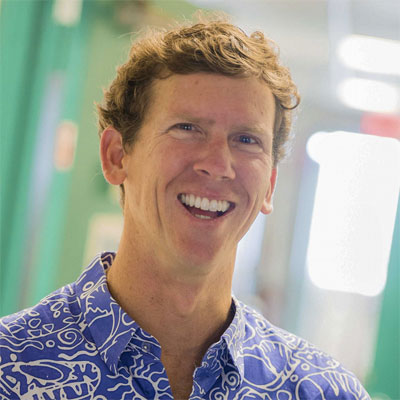
Bradley Moore, Ph.D.
Bradley Moore is Professor of Oceanography and Pharmaceutical Sciences at the Scripps Institution of Oceanography and the Skaggs School of Pharmacy and Pharmaceutical Sciences at UC San Diego. Moore is also the founding director of the Scripps Center for Oceans and Human Health. His research interests involve exploring and exploiting marine microbes and their genomes to discover and engineer enzymes, secondary metabolic pathways, and natural product chemicals as environmental toxins and human health drug leads.
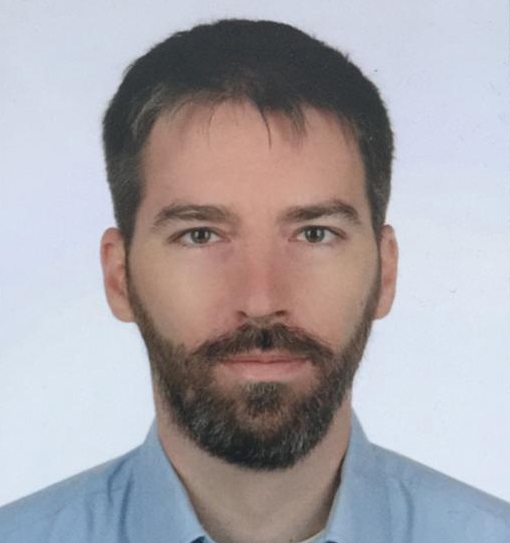
Ákos Nemecz, Ph.D.
Ákos earned his B.S. in Computer Science with a Clarence M. Smith Scholarship from the College of Engineering and B.S. in Biochemistry from North Carolina State University in Raleigh, North Carolina in 2004. He started his doctoral studies in 2005 with the Harold C. Urey award in the Department of Chemistry and Biochemistry at the University of California, San Diego and completed his dissertation with Dr. Palmer Taylor in 2011. He continued his research in the neuroscience field through a postdoctoral fellowship at the Institute Pasteur in Paris, France with Dr. Pierre-Jean Corringer from 2012-2020. Upon obtaining a Norway Grants/NCN-POLS grant, he started his independent research lab in the Department of Biochemistry at the Nicolaus Copernicus University in Toruń, Poland in 2021, where he has continued his research on pentameric ligand-gated ion channels.
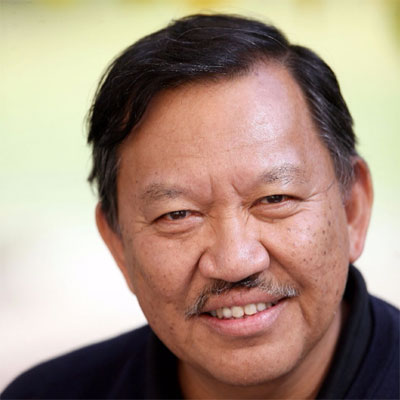
Baldomero Olivera, Ph.D.
Baldomero ("Toto") Olivera grew up in the Philippines, received his Ph.D. in Biophysical Chemistry at Caltech and his Postdoc at Stanford. He is presently a Distinguished Professor of Biology at the University of Utah. Toto's research contributions include the discovery and biochemical characterization of E. coli DNA ligase, a key enzyme used in recombinant DNA technology. He initiated the characterization of the venoms of the predatory cone snails. Several peptides discovered in Olivera's laboratory reached human clinical trials; one (Prialt) is approved for the treatment of intractable pain.
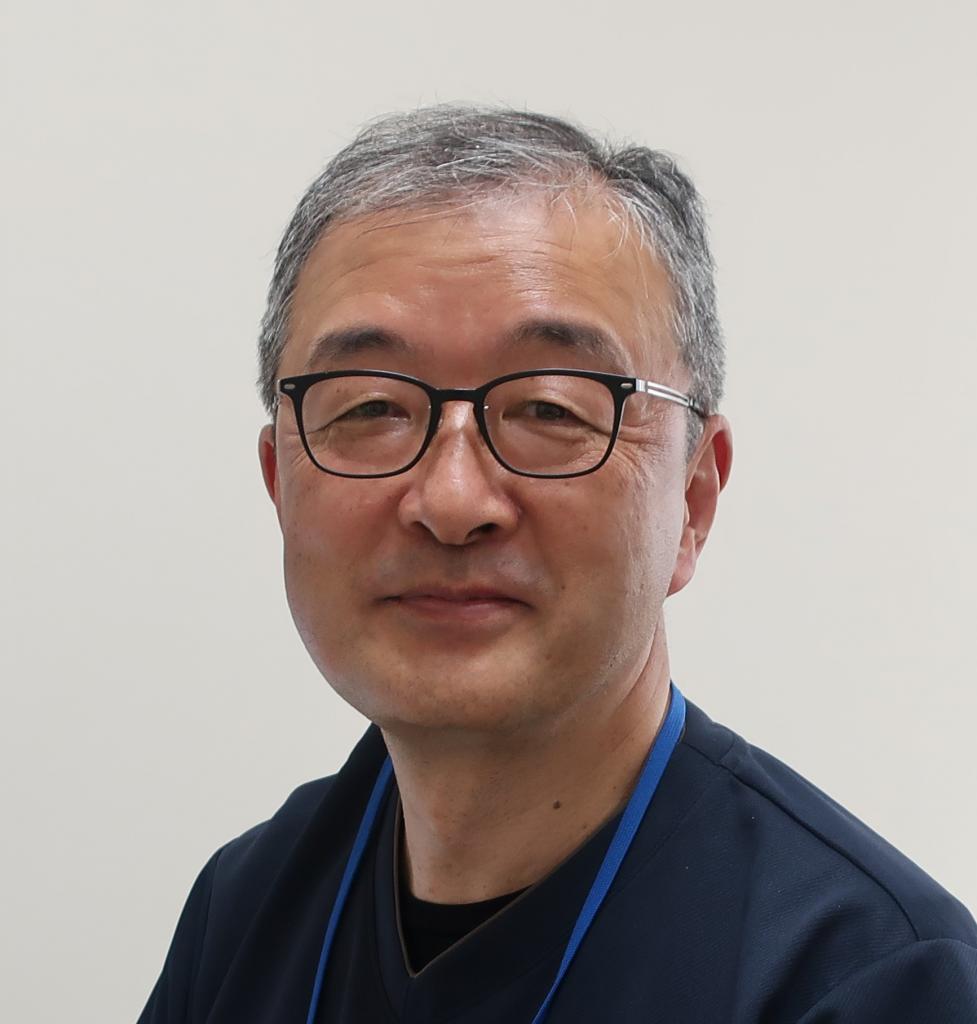
Hideki Onishi, Ph.D.
Hideki Onishi is Professor of Psychiatry and Head of the Department of Psycho-Oncology at Saitama Medical University International Medical Center. In addition to his role as educator, he provides mental care to cancer patients and their families as the medical director of Japan’s first university-based psycho-oncology department. He also established the first "Bereavement Clinic" in Japan to provide medical care to cancer-bereaved families. Dr. Onishi is Past President of the Japanese Psycho-Oncology Society, President of the Japanese Society for Clinical Thanatology, Board Member of the Japanese Association for Suicide Prevention, and Associate Editor of BMJ Supportive & Palliative Care.

Zoran Radić, Ph.D.
Zoran Radić, graduate of the University of Zagreb, Croatia mentored by Elsa Reiner, founding contributor in the cholinesterase field, was a visiting graduate student (1986-87), post-doc (1990-1996) and project scientist (1996-2014) in the Palmer Taylor group contributing to functional mapping of the AChE molecule and reaction kinetics. As an adjunct faculty (since 2014) he led NIH projects with TSRI, ORNL (Dr. Andrey Kovalevsky), University of Utah (Dr. Donald Blumenthal), The Ohio State University (Dr. Xiaolin Cheng), UCSD (Dr. Carlo Ballatore), NYSBC (Dr. Jonah Cheung), Croatia (Dr. Zrinka Kovarik), and Czech Republic (Dr. Lukas Gorecki, Dr. Ondrej Soukup, Dr. Jan Korabecny), towards development of reactivating antidotes of OP-inhibited cholinesterases.
Yvonne Rosenberg, Ph.D.
Yvonne Rosenberg, founder/CEO PlantVax Inc, MD received her Ph.D. at the Australian National University with postdoctoral studies in London and the NIH. An immunologist with 25 year’s experience developing rodent and non-human primate models in autoimmunity, infectious disease and chemical defense, she served on the US Army Medical Research Institute for Infectious Diseases Animal Use Committee. Recently, more translational research includes developing both CHO and plant expression systems to generate recombinant monoclonal antibodies to treat HIV and cancer as well as prophylactic cholinesterase proteins for protection against organophosphate neurotoxins (OPs). PlantVax has demonstrated the superior protective efficacy against lethal OPs of the UCSD RS194B oxime in non-human primates.
Mark Schumacher, Ph.D.
Mark Schumacher is Professor and Vice-Chair of Pain Medicine in the Dept. of Anesthesia and Perioperative Care at UCSF. As a clinician-scientist, he cares for patients with complex painful conditions and directs a laboratory focused on understanding pain transduction. He earned his PhD under Palmer Taylor in association with Theodore Friedman at UCSD from 1981-1987 for isolating and characterizing the first cDNA clone of acetylcholinesterase derived from Torpedo californica. Following his MD in 1990 (UCSD) he completed his residency in Anesthesia at UCSF in 1994 and continued there as a post-doc then faculty. In conjunction with the Julius lab, he played a key role in the cloning and characterizing of TRPV1 (capsaicin receptor), a multimodal “pain” transducing ion channel (1997). His research group has primarily focused on understanding the regulation of gene expression of nociceptive ion channels in sensory neurons. His group is currently focused on developing novel treatments for chronic neuropathic pain arising from platinum chemotherapy through targeting transcription factors and use of minor cannabinoids.
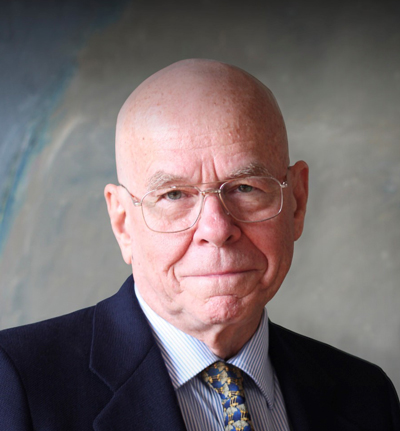
K. Barry Sharpless, Ph.D.
K. Barry Sharpless received his B.A. from Dartmouth College in 1963 and his Ph.D. in Chemistry from Stanford University in 1968. Before joining Scripps Research in 1990 as a W.M. Keck Professor of Chemistry, he was chemistry faculty at MIT and Stanford. His 50+ year research career has been devoted to finding new tools and better general methods for exploring the chemical universe. In 2001, he shared the Nobel Prize in Chemistry for his work on chirally catalyzed oxidation reactions for work commencing in 1980, when the first of 3 Sharpless Asymmetric Reactions was discovered. In the 1990s, he began looking for a reliable way to uncover useful chemical function. Nature provided the inspiration, and click chemistry was the result: a discovery methodology based on modular simplicity (all the molecules of life are made from less than several dozen small building blocks), guaranteed reliability, and spring-loaded, "perfect" reactions. In 2022, Barry was awarded the Nobel Prize in Chemistry for his groundbreaking research in developing “click chemistry”, making him the second scientist ever to win two Nobel Prizes in Chemistry.
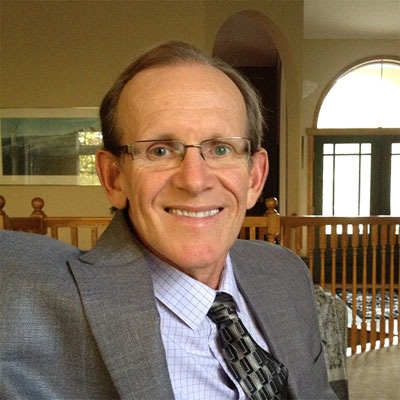
Steve Sine, Ph.D.
Steve Sine is a Professor of Physiology and Biophysics at the Mayo Clinic, Rochester MN. As an undergraduate at UC Riverside, he majored in Biochemistry, minored in Chemistry, and conducted research in synthetic organic chemistry. On joining the Physiology and Pharmacology graduate program at UC San Diego, Steve's interests in nicotinic receptors began under the tutelage of Palmer Taylor. Following postdoctoral fellowships in Molecular Neurobiology at the Salk Institute and Physiology at Yale, he founded his independent laboratory at Mayo investigating nicotinic receptors using single molecule biophysical and structural methods.
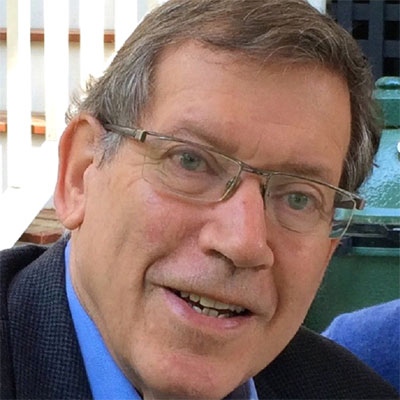
Joel Sussman, Ph.D.
Joel Sussman earned a PhD from MIT and was a postdoc at Duke before joining the Weizmann in 1976. He was Director of the PDB at BNL (1994-99), and established the Israel Structural Proteomics Center http://www.weizmann.ac.il/ISPC) at the Weizmann. In 2014 he received the Broomfield Award from USAMRICD. In close collaboration with Prof. Israel Silman, they determined the first atomic structure of acetylcholinesterase (AChE), and determined the structures of more than 40 complexes of AChE with a repertoire of drugs & toxins, including essentially all the first generation anti-Alzheimer drugs.
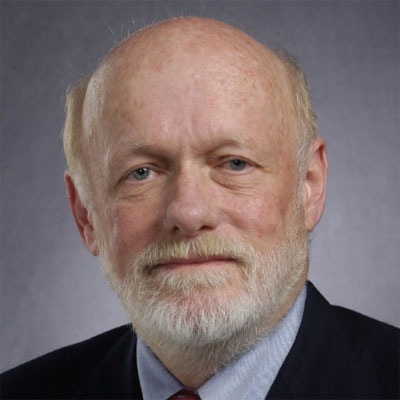
Palmer Taylor, Ph.D.
Palmer Taylor served as founding Dean of the Skaggs School of Pharmacy & Pharmaceutical Sciences at UC San Diego. Previously, he was founding Chair of Pharmacology, the first basic science department in the medical school. Taylor holds The Trout Chair of Pharmacology. He is a member of the National Academy of Medicine, an AAAS fellow and Chevalier dans l'Ordre de la Legion d'Honneur. Taylor's studies with colleagues employ genetic, spectroscopic, and crystallographic methods to investigate molecular recognition in cholinergic nervous system. Principal targets encompass acetylcholinesterase, nicotinic acetylcholine receptors and neuroligin. Overall goals are to develop selective therapeutic agents for neurologic disorders and antidotes against toxicants affecting neurotransmission.
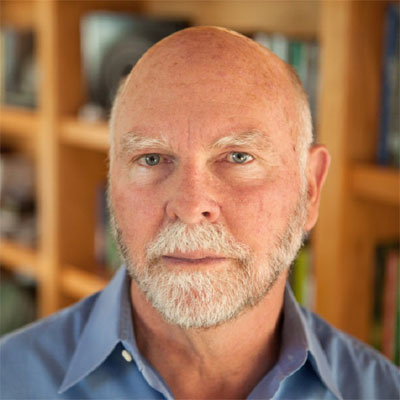
J. Craig Venter, Ph.D.
J. Craig Venter, a biologist renowned for his contributions in sequencing the first draft human genome in 2001, is co-founder, executive chairman and CEO of Human Longevity Inc. He is also founder, executive chairman and CEO of the J. Craig Venter Institute and a co-founder, chairman and co-chief scientist of Synthetic Genomics Inc. Venter is a recipient of the 2008 National Medal of Science, member of the National Academy of Sciences.
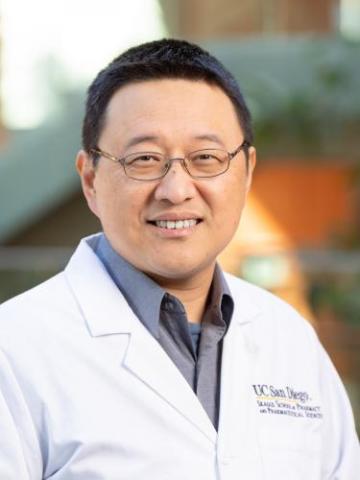
Dong Wang, Ph.D.
Dr. Dong Wang obtained his B.S. at Peking University and Ph.D. with Dr. Stephen Lippard at MIT. Dr. Wang then joined Dr. Roger Kornberg’s group at Stanford University as a postdoc fellow. Dr. Wang joined UC San Diego faculty in 2010 and was promoted to full professor in 2019. Dr. Wang's research focuses on understanding the mechanisms of transcription regulation and cellular responses to DNA damage, particularly the functional interplay between transcription and epigenetic DNA modifications and lesions. His group takes a multidisciplinary approach, combining structural biology, chemical biology, computational biology, biochemical, and genetic methods, to study key protein complexes involved in these processing pathways. The results will have implications for DNA damage recognition and DNA repair. Moreover, understanding how cell process these DNA lesions will help us to decipher the mechanisms of drug action and resistance and pave the way for rational improvement of novel anticancer drugs.
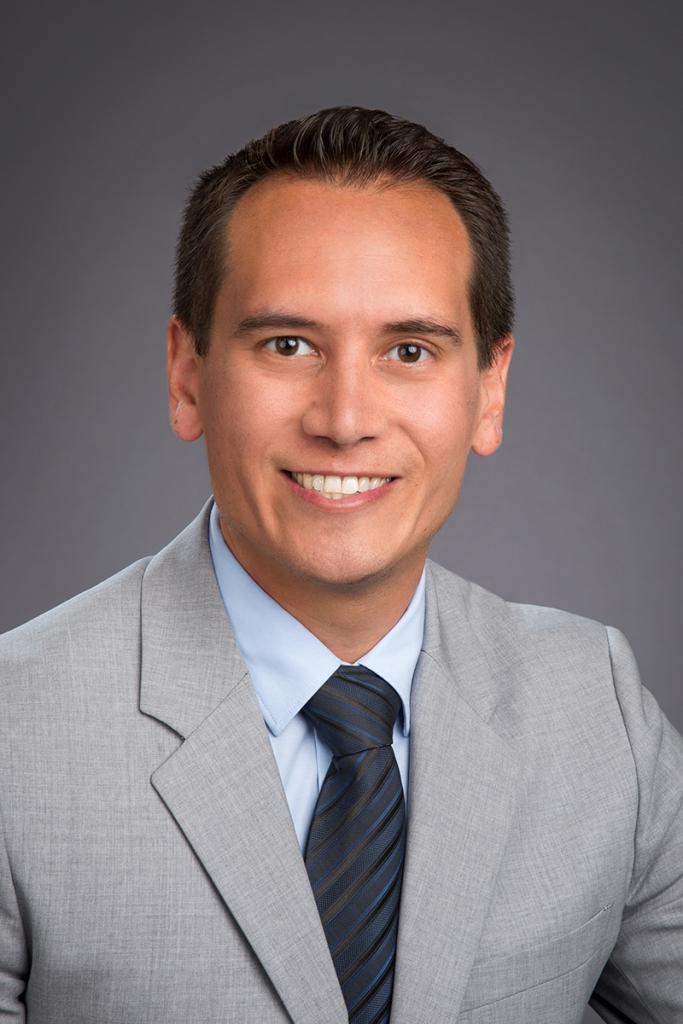
John Yamauchi, Ph.D.
John Yamauchi came to La Jolla from Los Angeles in 2003 as a new UCSD undergraduate participating in the Pharmacology SURF program in Dr. Palmer Taylor’s lab studying the kinetics of the acetylcholinesterase enzyme. He completed his bachelor's degree in Bioengineering from UCSD in 2006 and then joined the Biomedical Sciences graduate program at UCSD where he completed his dissertation studying nicotinic acetylcholine receptor selectivity with Dr. Palmer Taylor in 2012. He moved a short way to do a postdoc at the California Institute for Biomedical Research (Calibr) as part of the Scripps Research Institute in La Jolla to generate high throughput screens for various autoimmune disorders. In 2014 he joined Nikon Instruments as an Advanced Imaging Specialist where he trained scientists in the southwest region in high throughput confocal microscopy techniques. In 2016 he joined Natera, an up and coming clinical diagnostic company, as part of the strategic team to expand the availability of NGS testing for women’s health. In 2018, he obtained a Master’s degree in Business Analytics from the UCSD Rady School of Management to learn programming in R and python to build machine learning models from large datasets for predictive decision making. Shortly after he then joined Scientist.com as a Director of Strategic Partnerships to expand access for pharmaceutical, biotech and academic researchers to establish preclinical research projects with global CRO partners. In early 2025 he joined Schrodinger, a computational drug discovery company with a powerful suite of software tools, as part of the Strategic team to grow relationships with large pharma partners and successfully roll out the latest developed technologies and empower their clinical pipelines.
Presentation instructions for speakers
-
Please email us your presentation files as soon as practical to zradic@health.ucsd.edu. If the file is too large for email, please deposit it to "Google Drive" or alternative, and email corresponding link to zradic@health.ucsd.edu.
-
Please prepare your presentation in a MS PowerPoint .pptx or Adobe .pdf formats. Other formats will not be supported. The SSPPS auditorium computer is a PC running MS Office version LTCS Pro Plus 2021.
-
For optimal testing (and in the interest of adhering to the schedule) we encourage you to email us your files, however individual presentation files will be accepted on a USB memory stick (thumb drive) in the SSPPS auditorium before your indicated presentation session (during preceding breakfast breaks, coffee breaks or lunch breaks) for transfer to the podium PC.
-
Use of individual laptops for presentations is discouraged. However, if you absolutely need to use your own personal laptop, please let us know well ahead of time.
-
While we will do our best to make your presentation work, your chances will be the best if you follow #1. It will allow us to adhere to the timed schedule of the program.
-
We plan on A/V recording all symposium sessions. Please provide us with your written consent for recording your presentation. Presentations without consent will be edited out from the A/V recordings of the symposium, after the symposium.